_________
Exercise Talisman Sabre 2025
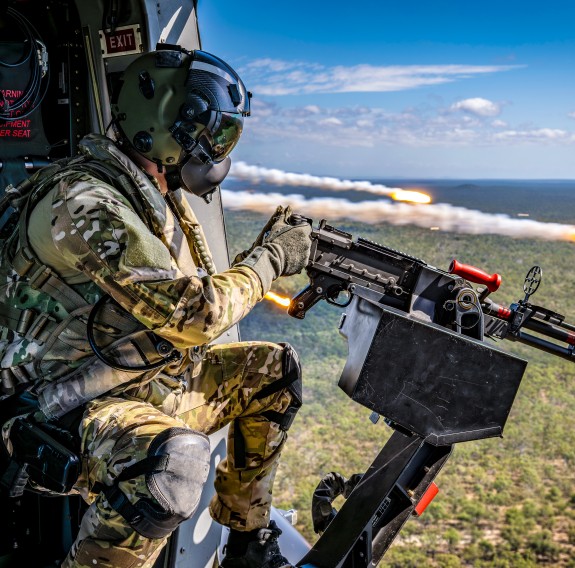
It doesn’t get much bigger for the NZDF. More than 35,000 military personnel from 19 countries, attending the biggest ever iteration of the largest military exercise in Australia.
Frigate HMNZS Te Kaha joined forces with a Poseidon P-8A to provide a maritime security force in the Coral Sea. HMNZS Canterbury provided the logistics sealift capacity, transporting the Land Combat Force and part of the Mobility Air Force – NH90 helicopters, Bushmaster and Light Armoured Vehicle mounted infantry, plus a Battalion Headquarters, Combat Support and Combat Engineers – from New Zealand to Australia and back again.
Navy had additional input with HMNZS Matataua’s Littoral Warfare Support Force, providing mine clearance divers for Maritime Explosive Ordnance Disposal exercises. As well as the NH90s, the Royal New Zealand Air Force provided the C130-J Hercules and B757 for strategic airlift and tactical taskings.
_________
Defence Force funding boost
$2.7 Billion
replacement aircraft
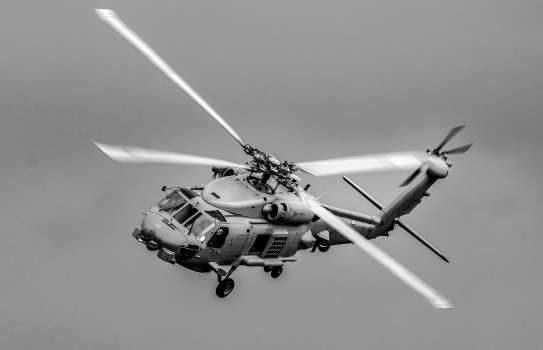
This year, the government announced that $2.7 billion has been earmarked for the Maritime Helicopter Replacement and the replacement aircraft for the aging Boeing 757-2K2 fleet.
Five MH-60R Seahawks would replace the No. 6 Squadron’s SH-2G(I) Seasprite helicopters, in operation for 10 years. The Airbus A321XLR (extra long range) would replace the two Boeings, in service with No. 40 Squadron since 2008.
Also notable this year was the Government’s release of the Defence Estate Portfolio Plan (DEPP), setting out a long-term vision to deliver major regeneration by 2040.
_________
Operation Tīeke
If I can just keep one of them alive to come home to his family, or I can keep him alive a little bit longer so that he can fight off his enemies a little bit longer so that someone else can go home to their family, that’s what motivates me.
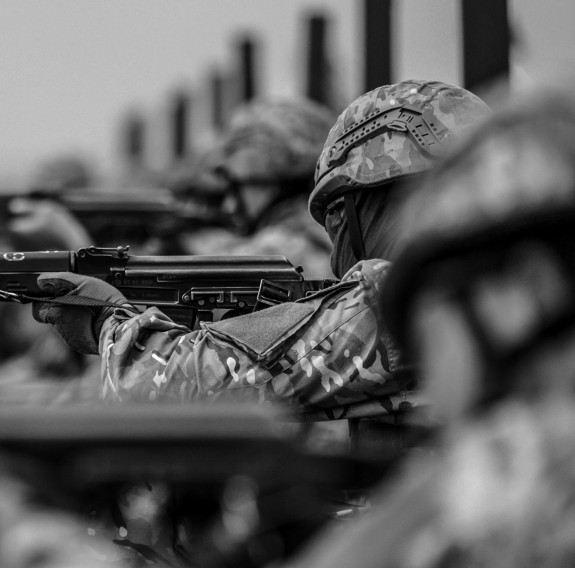
Since Russia’s illegal invasion of Ukraine on 24 February 2022, the NZDF has regularly deployed specialist teams to the United Kingdom and Europe as part of the international community’s support of Ukraine’s self-defence.
Up to 100 NZDF personnel are deployed to the UK and Europe to deliver training or undertake command and liaison roles at multinational headquarters.
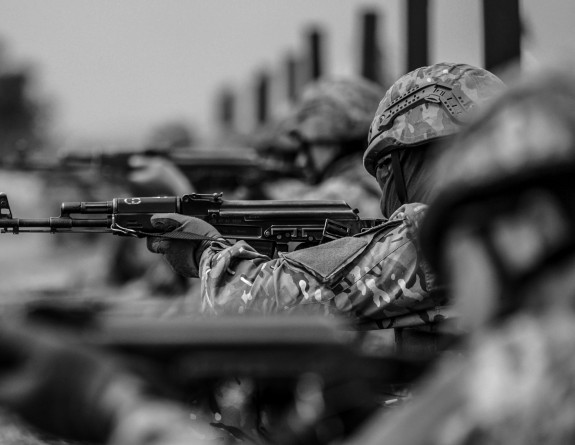
Specialists training being delivered includes infantry skills, ‘train the trainer’ expertise, combat first aid, land and maritime counter-explosive ordnance measures, sniper and marksmanship training.
Read more about Op Tīeke
_________
CTF 150 and Operation Highmast
$1.8 Billion
worth of narcotics seized
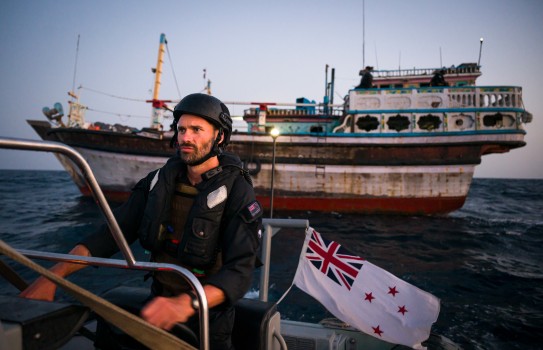
For the first time in 10 years the Royal New Zealand Navy despatched frigate HMNZS Te Kaha to the Middle East in support of Combined Task Force 150, a coalition dedicated to counter-narcotics in the Indian Ocean and Northern Arabian Sea.
Under New Zealand leadership, CTF 150 oversaw the seizure and destruction of seven tonnes of narcotics, with a combined street value of more than $NZ1.8 billion. Overall, maritime assets – direct and associated – carried out 55 boardings. Following its CTF 150 duties, Te Kaha linked up with a UK Carrier Strike Group headlined by aircraft carrier HMS Prince of Wales, getting involved in a series of exercises with 13 other nations’ vessels in the Indo-Pacific.
Read more about CTF 150
_________
RNZAF helicopters break flight record
2,840km
Over two days
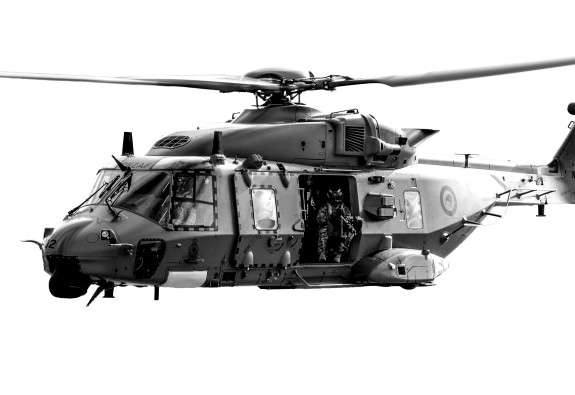
Two Royal New Zealand Air Force (RNZAF) NH90 helicopters flew from Australia to New Zealand on a record-breaking journey for the aircraft.
Over the course of two days, the aircraft flew from Royal Australian Air Force Base Amberley to RNZAF Base Auckland, a distance of 1,534 nautical miles (nm), or 2,840 kilometres over water. The flight broke the RNZAF NH90s’ previous over-water record, achieved at the end of August, of 453nm across the Coral Sea Basin between Cairns, Australia and Papua New Guinea’s (PNG) capital Port Moresby.
_________
Korea deployment
Combat first aid, casualty evacuation, leadership, communication, security, platoon tactics, navigation, concealment and all-round combat skills – all part of the scene for an NZ Army infantry platoon posted to United Nations Command in South Korea for three months.
Working in urban and close-country (jungle) environments, the platoon worked alongside Korean and US Army units in a range of warfighting manoeuvres, including a two-week exercise at the world-class Korea Combat Training Centre. During the deployment, New Zealand personnel participated in the United States’ Expert Infantry Badge (EIB) challenge with a 25 percent pass rate, notably higher than average.
_________
Operation Whio
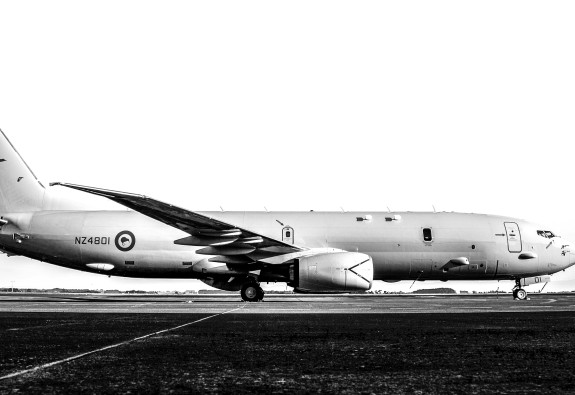
This year the New Zealand Defence Force deployed a P-8A Poseidon and HMNZS Aotearoa to support United Nations monitoring of North Korea, plus undertaking operations, training and engagements with partners while in the region.
Based in Japan, the Poseidon and Aotearoa contributed to operations detecting and deterring evasions of United Nations Security Council (UNSC) sanctions resolutions on North Korea. Patrols, over international waters, look for violations of the sanctions’ resolutions including illicit ship-to-ship transfers of banned goods such as oil and coal.
The operation was just one facet in Aotearoa’s three-month Operation Crucible deployment in the Indo-Pacific, which included defence engagements and exercises with key countries and partners.
Read more about Op Whio
_________
Exercise Tauwharenīkau
250
Army Reservists
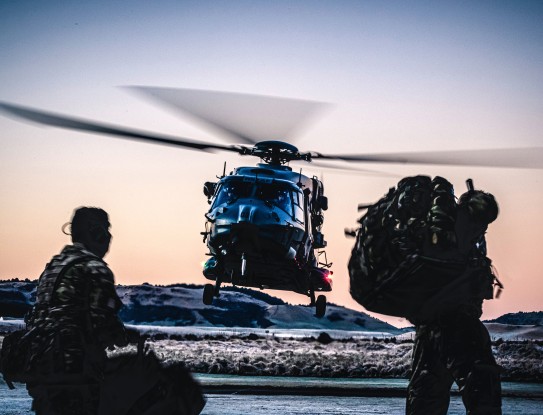
The largest New Zealand Army Reserve Force collective field training exercise, Exercise Tauwharenīkau, involved around 250 reservists, including reservists from the Australian Defence Force. The exercise, in the Waiouru Military Training Area, replicates the scale and complexity of operations soldiers could encounter on overseas deployments.
It was the largest exercise of its kind in nearly 18 years.
_________
Mid-winter medical evacuation from Antarctica
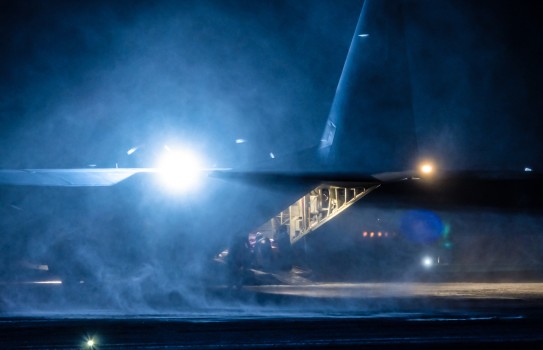
Crew on an RNZAF C-130J Hercules carried out a challenging mid-winter medical evacuation from McMurdo Station in Antarctica. One person required urgent medical care and two others needing medical attention were also taken on the flight.
Air Component Commander Air Commodore Andy Scott said the extreme cold, changeable weather conditions plus landing on the ice in the dark make mid-winter flights to Antarctica one of the most challenging RNZAF air crews perform.
_________
Chinese Naval Task Group
The intent was to be close enough to understand any movement behaviour or intent from them, while being within radio and radar range to them so we could understand their distribution and positioning.
CDR Fiona Jameson
In February the New Zealand Defence Force, in conjunction with the Australian Defence Force, monitored a People’s Liberation Army – Navy (PLA-N) Task Group of three ships in the Tasman Sea. HMNZS Te Kaha maintained a constant watch over frigate Hengyang, cruiser Zunyi and replenishment vessel Weishanhu, generally running to a parallel course at 15 nautical miles separation.
Joining Te Kaha in the watch were P-8A Poseidon maritime patrol aircraft, while HMNZS Aotearoa, returning from Antarctica duties, provided replenishment to Te Kaha and Australian Navy vessels.
_________
Live fire in Papua New Guinea
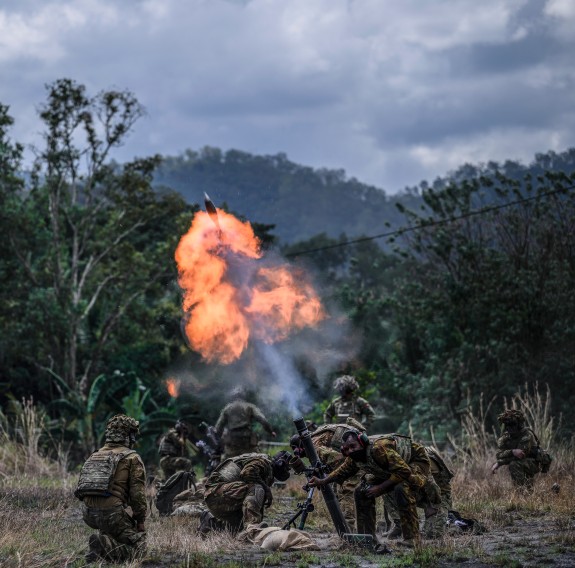
Gunners from the New Zealand Army’s 16th Field Regiment lead a mortar training course for their Papua New Guinea Defence Force counterparts, the first time NZ Army personnel have led such an exercise in Papua New Guinea. New Zealand personnel from the Joint Support Group also delivered medical training, focused on providing care to patients in combat situations.
The exercise came just before Papua New Guinea celebrated its 50th anniversary of independence, with New Zealand joining 10 militaries to participate in ceremonial and public events.
_________
Penguin missile launch
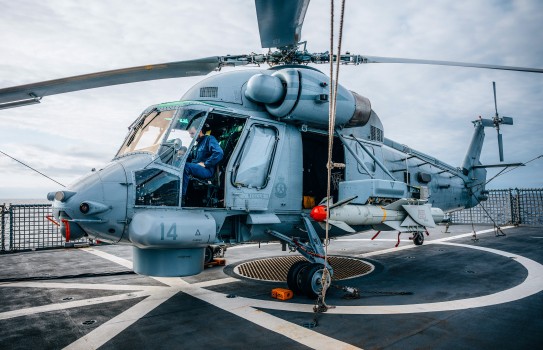
In a world first, a Seasprite SH-2G(I) maritime attack helicopter launched a Penguin anti-ship guided missile. As expected, it was right on target. The testing was undertaken by the helicopter and crew posted to HMNZS Te Kaha, during the ship’s Operation Crucible deployment this year.
_________
Uncrewed Surface Vessels on patrol in Fiji
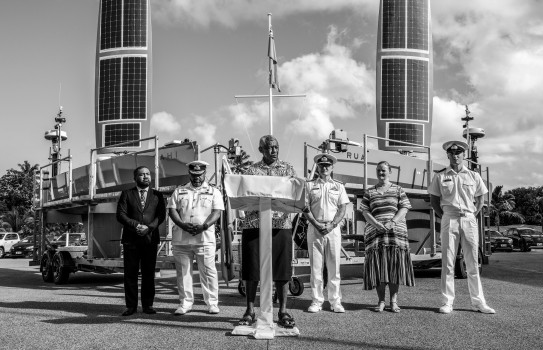
This year the Royal New Zealand Navy worked side-by-side with the Fijian Navy in the use of Uncrewed Surface Vessels to patrol Fiji’s Exclusive Economic Zone. Three RNZN personnel from HMNZS Matataua, using the RNZN’s two USVs Tahi and Rua, based themselves in Suva to help track and identify vessels operating suspiciously.
The autonomous vessels are powered by sun, wind and wave action and can conduct long endurance missions without the need of crew or refuelling. Operators use a mouse and keyboard to track and direct the USVs.
_________
From evacuation to combat in Marlborough
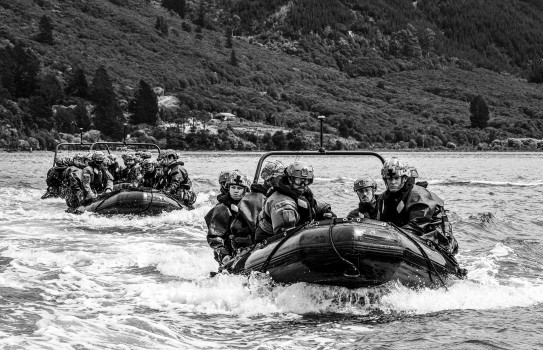
Stability and Support Operations. Can a contingent deploy to an area of unrest, evacuate non-combatants and effect control in a problematic country?
The largest exercise in the South Island for 2025, Exercise Cassino, tested the capability of the Motorised Infantry Company Group with supporting units across 1(NZ) Brigade and the Royal Zealand Air Force. The scenarios were challenging: seizure of a drone making facility, clearance of militia force training camps and the capture of a key militia leader.
_________
Exercise Tropic Twilight
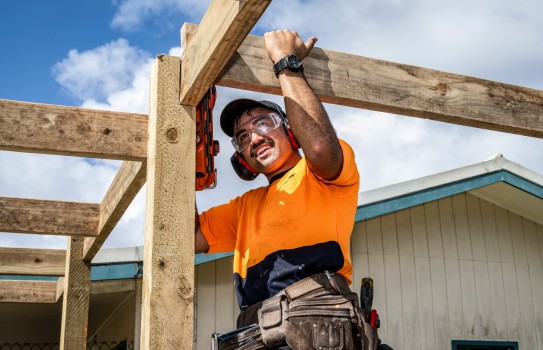
NZDF’s long-running annual infrastructure and rebuilding exercise focused on the Cook Islands this year, with more than 30 personnel from 25 Engineer Support Squadron, 2 Engineer Regiment, arriving by C-130J Hercules to the island of Ma’uke.
The team carried out maintenance and improvements on Ma’uke’s solar farm, water infrastructure, school and halls. Work was carried out at the island’s hospital, installing a new solar hot water heater and assembling hospital beds and furniture. Nineteen tonnes of stores, and a further 25 tonnes of building supplies were airlifted in.
It’s like we were born and raised here, went away and came back. There’s definitely good relationships that have been formed in such a short time between our personnel and the locals.
LT Jarrod Wilson
_________
King Air deployed to Fiji for international surveillance work
The RNZAF deployed its MC-12K King Air aircraft to the South West Pacific to conduct maritime surveillance patrols. Squadron Leader Craig Clark said the first deployment of the MC-12K, to Fiji, was a major step forward in the squadron’s ability to project capability into the region in support of wider NZDF efforts in the region.
The aircraft and crew deployed a second mission, again to Fiji and also encompassing Tonga. The aircrew worked in support of the Fijian Maritime Essential Services Centre, as Fijian authorities strive to combat transnational organised crime in their region.
_________
Te Whare Toroa officially opens
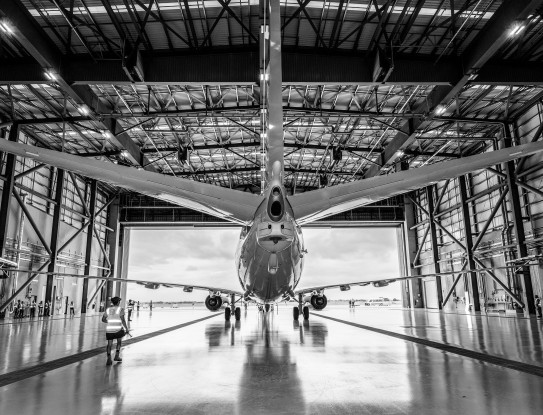
RNZAF Base Ohakea’s new 20,000 square metre state-of-the-art building officially opened in August. Te Whare Toroa – or the home of the albatross, the name inspired by the toroa on No. 5 Squadron’s crest – was opened by Minister of Defence Judith Collins KC, who described the new facility and fleet of four P-8As as a “mission critical” capability for the New Zealand Defence Force. The new hangars and buildings will support its four Boeing P-8A Poseidon aircraft as well as No. 5 Squadron personnel and operations.
Te Whare Toroa – The Home of the Albatross
_________
Operation Resolution
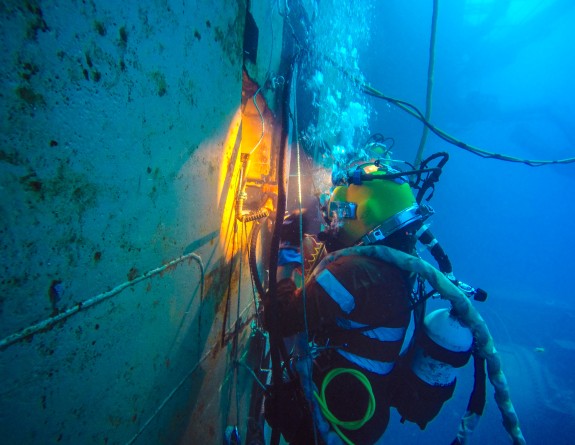
The salvage efforts around the grounding of HMNZS Manawanui on 5 October 2024 and subsequent sinking continued at pace into 2025, notably with the salvors starting the extraction of fuel and pollutants early in January. This task was completed in March; a further tasking to retrieve equipment from the ship finished in May.
The second half of the Court of Inquiry findings were released, outlining the factors that contributed to the grounding and sinking.
The priority remains, as it always has been, to minimise any environmental impacts of the sinking, and to support the Government of Samoa in its response.
CPT Rodger Ward
_________
New space squadron unveiled
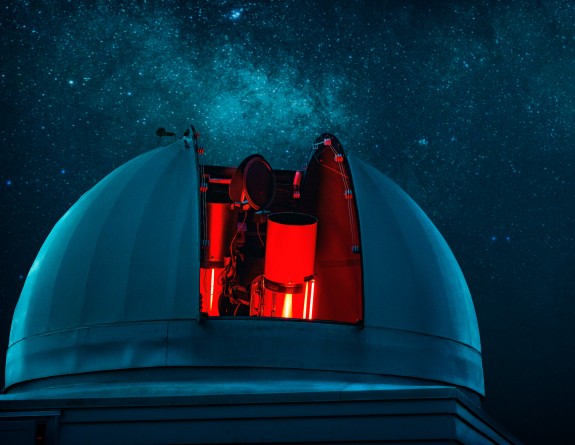
The RNZAF established its first dedicated space unit with the reactivation of No. 62 Squadron. Minister for Space Judith Collins KC said it reflected our commitment to protecting New Zealand’s interests and security in the rapidly evolving space domain. Originally active during World War II, No. 62 Squadron supported Allied operations through the innovative use of radar technology. Now, its mission shifts to space domain awareness.
Discover more from JCs Royal New Zealand Navy Ships and New Zealand Defence, Also other World Defence Updates
Subscribe to get the latest posts sent to your email.

