Australia Increases Assistance to Victims of Typhoon Yolanda to PhP1.2 Billion

Australian Prime Minister Tony Abbott has announced the Australian Government is increasing its contribution to the recovery effort for the devastation caused by Typhoon Yolanda (Haiyan) to Php1.2 billion (A$30 million).

The announcement of the additional Php 820 million (A$20 million) comes on the back of Australia’s immediate response of Php 15.5 million (A$390,500), announced by Australia’s Foreign Minister Julie Bishop, which she rapidly increased to Php 410 million (A$10 million) as reports of the devastation started to filter through.

Mr Abbott’s announcement said the additional funds will be used to address serious nutrition, child health and protection needs, purchase emergency foods and provide logistic support and non-food items.

“Providing safe drinking water and power is now critical,” Mr Abbott said. “The Australian Defence Force is preparing to provide water purification systems and power generators to Tacloban over the coming days.”

Australia’s further contribution will include:
•    Php 530 million (A$13 million) to the United Nations Flash Appeal;
•    Php 530 million (A$13 million) to be provided through Australian non-government organisations and their partners on the ground for immediate life-saving assistance;
•    Php 82 million (A$2 million) for the urgent deployment of an Australian medical assistance team (AusMAT);
•    Php 41 million (A$1 million) for non-food items such as tarpaulins, sleeping mats, mosquito nets, water containers and health and hygiene kits to assist families affected by this disaster; and
•    Php 41 million (A$1 million) to be provided to the Australian Federal Police to provide disaster management specialists.

Two Royal Australian Air Force aircraft, a C-17A Globemaster and a C-130J Hercules, have already deployed to the Philippines to assist the relief effort. Both arrived in the Philippines overnight, transporting Australian doctors, nurses, paramedics, other medical specialists, and ADF logistic support staff. The C-130J will transfer the medical personnel and equipment from Cebu to Tacloban.

The AusMAT arrived on an ADF C17 flight from Darwin, Australia on Wednesday and will begin work in the coming days. It includes 12 doctors, 14 nurses, three paramedics, a radiographer, a pharmacist and six logisticians. ADF has also assigned an additional RAAF C-130J Hercules and stands ready to deploy a second C-17A Globemaster if required.

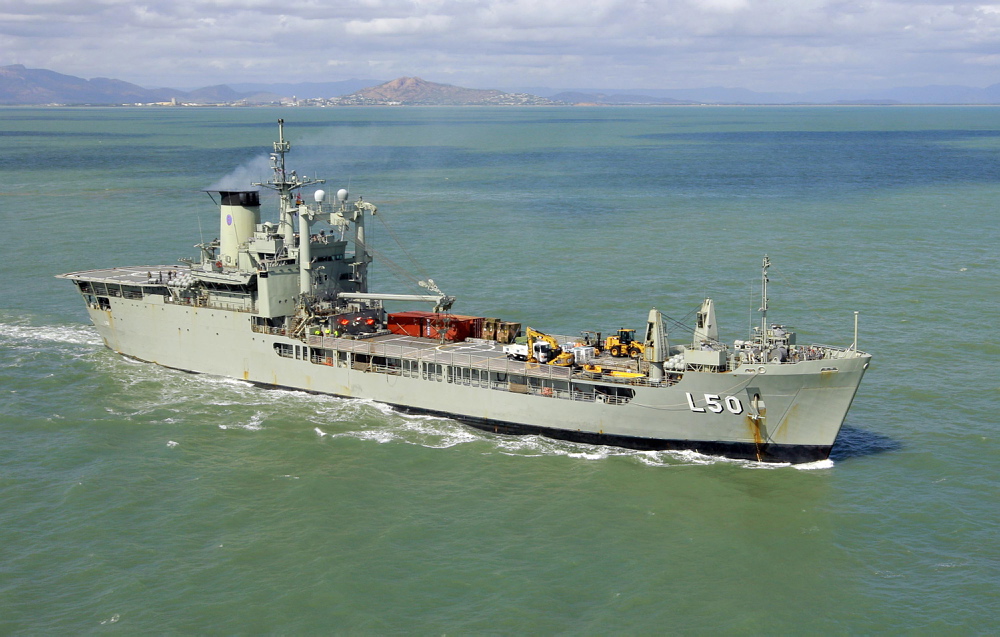
The Royal Australian Navy ship, HMAS Tobruk, has also been made available to support the relief and recovery effort if required. HMAS Tobruk has heavy lift capability, on board accommodation and ability to support helicopter and landing craft operations.

Australia’s Ambassador to the Philippines Bill Tweddell said that nothing could replace the lives of people who were lost, but it was hoped that Australia’s contribution would go some way to helping people rebuild their lives.

“We are saddened by the enormity of the hardship that our close friends in the Philippines are experiencing at this time,” Ambassador Tweddell said. “As the scale of devastation becomes more evident, Australia’s further contribution will help people start the process of recovery as quickly as possible. The Australian Government stands ready to provide further assistance if and when required.”

– See more at: http://asianjournal.com/news/australia-increases-assistance-to-victims-of-typhoon-yolanda-to-php1-2-billion/#sthash.8oDDUzgQ.dpuf

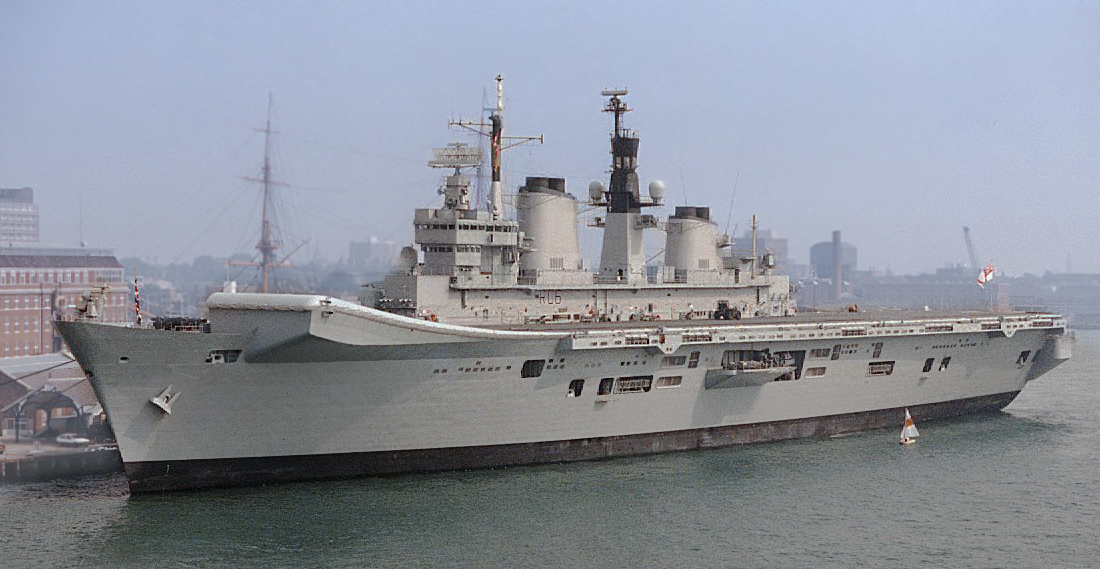
HMS Illustrious heads for Philippines

12:02pm Thursday 14th November 2013 inNational News© Press Association 2013

Royal Navy aircraft carrier HMS Illustrious is being sent to the Philippines to help victims of Typhoon Haiyan, David Cameron has announced.

Speaking during a visit to India, the Prime Minister said that the ship will replace HMS Daring, which has already been deployed to the Philippines.

Its helicopters may be used to assist with the distribution of food and water to survivors stranded in remote locations in the far eastern archipelago state, and its facilities to make water drinkable are likely to be in demand in a country where supplies have been badly disrupted by the typhoon.

The Ministry of Defence said that Illustrious, which has been taking part in war-game operations, should arrive in the Philippines on November 24 or 25, with 900 crew and seven helicopters on board.

Mr Cameron said: “What happened in the Philippines is an absolute tragedy. You can see the devastation, the suffering, and it’s quite clear that we are going to need long-term help for those people.

“As ever, the British people have been very generous with their donations.

“The British Government has already pledged over £20 million, which makes us one of the most generous donors anywhere in the world.

“But it’s practical action that’s needed as well. That’s why I sent HMS Daring to go and help in the Philippines and I can announce today that once Daring has started its work, we are actually going to be able to replace in time HMS Daring with HMS Illustrious, which is, of course, a carrier with helicopters – seven times as many helicopters as on HMS Daring and with the key ability to process fresh water, so we will be giving further assistance in the best way we can.”

The MoD was unable to confirm the current location of Illustrious but the Royal Navy reported the warship was in Muscat, Oman, on November 12.

HMS Illustrious, Britain’s sole remaining aircraft carrier, will retire from active duty next year.

The news come as the Disasters Emergency Committee (DEC) announced that its Philippines typhoon appeal has raised more than £23 million in just two days.

The funds, made up of online, text and phone donations, will go directly to help some of the 11 million people affected by Typhoon Haiyan.

The money raised will be used to deliver food, water, household items and tarpaulin for shelter to people who have had their homes damaged or destroyed and are in desperate need of food, water and shelter.

DEC said that the response was “overwhelming”.

Saleh Saeed, DEC chief executive, said: “The public’s reaction to the sheer devastation that has been left by Typhoon Haiyan is quite simply remarkable. We are so grateful for the huge amount of donations which are vital to fund the work done by our emergency teams.

“This has already become one of our most generously supported appeals but there is still a huge humanitarian need for help. Our priority is to provide food, water and shelter to those affected. Money raised will go directly to delivering these essentials and it’s important we continue to provide this support.”

Philippines Exploring Allowing U.S. and Japan More Use of Bases


USS Enterprise (CVN-65) at Subic Bay in 1993. US Navy Photo

The Philippines plan to give greater access to U.S. and Japanese allies to military bases including the former U.S. Naval Station Subic Bay, Philippine defense officials said Thursday in a report in Reuters.

The report comes in tandem with reports, the military is preparing a proposal to expand leftover U.S. bases after the Pentagons removed its forces in 1992.

According to the report, Philippine naval leaders are preparing a $230 million plan to base development bases as hedges against increased Chinese expansion into the South China Sea.

The military expects to present the plan to President Benigno Aquino, according to the report.

The base expansion plan follows the 2012 approval of the Philippine Congress of a $1.8 billion expansion of military equipment to modernize Philippine forces.

“The chances of this plan taking off under President Aquino are high because his administration has been very supportive in terms of equipment upgrade,” a senior military officer who asked not to be identified told Reuters.
“The people around him understood our needs and more importantly, what our country is facing at this time.”

However, Defense Secretary Voltaire Gazmin said no decisions were final in response to the report on Thursday.

Gazmin did say the government is still working on a plan to expand the U.S. and Japan access to Philippine military bases.

“If and when there is agreement on the access, then there will be equipment coming in from the (United) States,” Gazmin told a joint news conference in Manila after meeting with visiting Japan Defense Minister Itsunori Onodera reported the Philippine website Inquirer.net.

“Now as far as Japan is concerned, we do welcome other countries — particularly Japan since Japan is a strategic partner — in accordance with our existing protocols.”

The Philippine Navy recently accepted delivery of a former U.S. Hamilton-class Coast Guard cutter into their fleet.

The re-christened BRP Ramon Alcaraz (PF-16) left Charleston, S.C. for Manila earlier this month.

Navy to Send Two Amphibious Ships to the Philippines

By: 

Wednesday, November 13, 2013

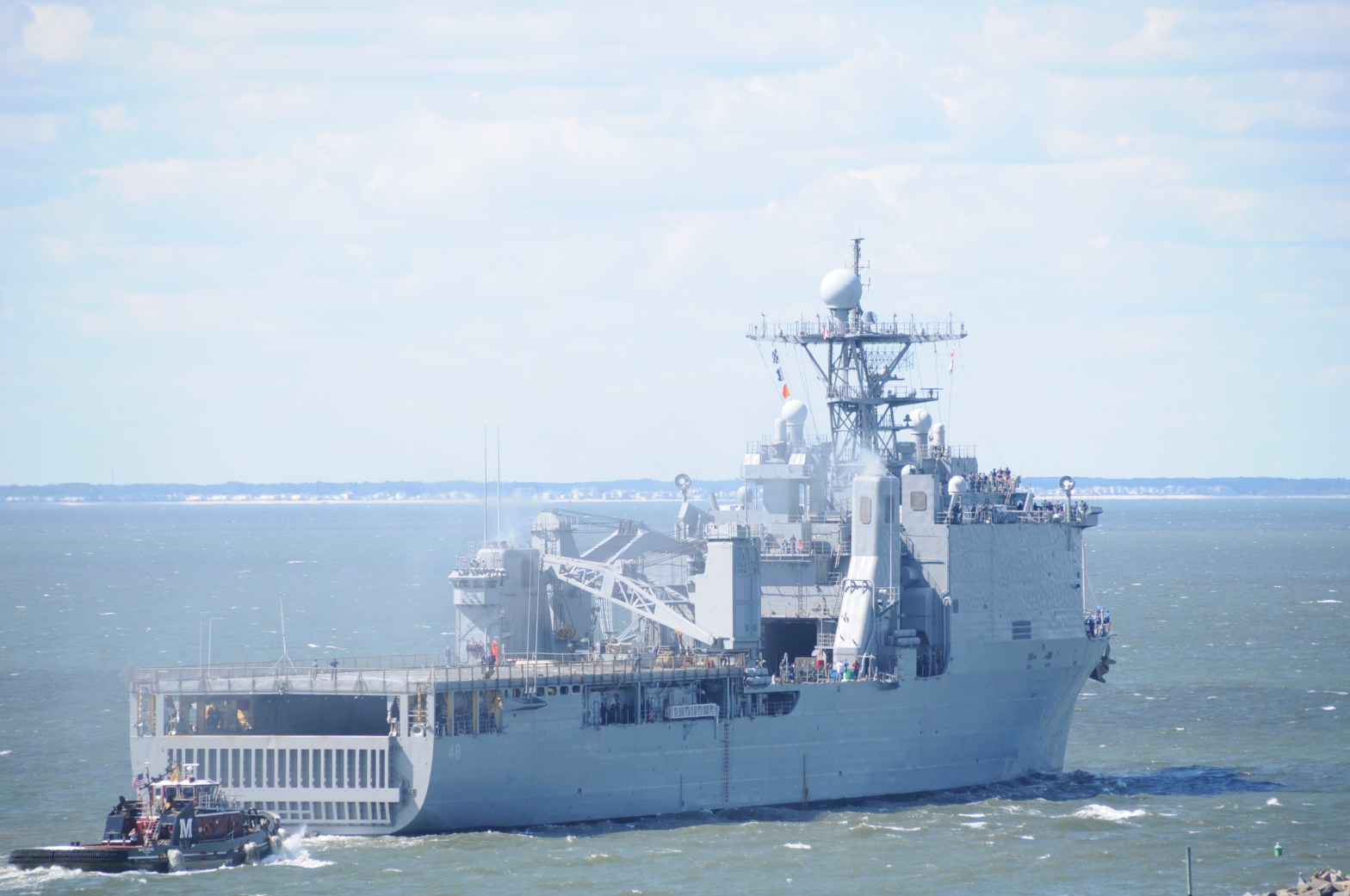
The amphibious dock landing ship USS Ashland (LSD-48) gets underway from Joint Expeditionary Base Little Creek-Fort Story in 2012. US Navy Photo

The amphibious dock landing ship USS Ashland (LSD-48) gets underway from Joint Expeditionary Base Little Creek-Fort Story in 2012. US Navy Photo

The U.S. Navy is preparing two amphibious warships to join the disaster relief effort in the Philippines, Navy officials told USNI News on Wednesday.

USS Germantown (LSD-42) and USS Ashland (LSD-48) will shortly depart from Naval Station Sasebo, Japan and will arrive sometime next week.

On the way the ships will pick up elements of the 31st Marine Expeditionary Unit (31 MEU) from Okinawa.

The Whidbey Island-class (LSD-41) ships can field a surge capacity of up to 500 Marines per ship, four Navy Landing Craft Air Cushion (LCAC) hovercrafts and a flight deck for cargo helicopters.

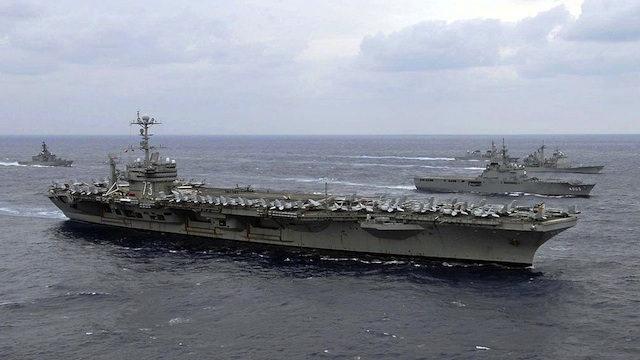
The amphibious ships will join USS George Washington (CVN-73) and partial carrier strike group (CSG) currently steaming toward the islands. The CSG is also accompanied by the supply ship USNS Charles Drew (T-AKE-10).

Marines have also sent elements of the 3rd Marine Expeditionary Brigade (MEB) and several cargo planes and helicopters. There are also a team of 19 Navy SEABEES currently in the country.

“You are not just going to see Marines and a few planes and some helicopters,” Marine Brig Gen. Paul Kennedy said in a report from The Associated Press.
“You will see the entire Pacific Command respond to this crisis.”
Philippine President Benigno Aquino III told CNN the death toll could be 2,000 to 2,500 — much lower than earlier unofficial estimates of 10,000.

At least 580,000 people have been displaced following the landfall of Super Typhoon Haiyan that struck the islands of Samar and Leyte, according to the report from the AP.

Recommended For You

US Navy ships arrive in Eastern Visayas

US Navy ships arrive in Eastern Visayas


MANILA, Philippines – Sixty-nine years after the Battle of Leyte Gulf, United States military ships are back in the region – this time to help an ally deal with the humanitarian crisis caused by Super Typhoon Yolanda (Haiyan).

The US Navy group led by the aircraft carrier USS George Washington, with 5,000 sailors aboard, is now in the Philippines and will soon take part in the relief efforts for the victims of Super Typhoon Yolanda (Haiyan) in Eastern Visayas.

The George Washington Strike Group (GWSG) arrived in the vicinity of Leyte Gulf Thursday, November 14, the US Navy announced.

“We’ve completed our high-speed transit and linked up with our U.S. Navy logistical assets from Commander, Task Force 73, which brings 7th Fleet naval forces to participate in ‘Operation Damayan’ in the Republic of the Philippines,” according to Rear Adm. Mark Montgomery, the group’s commander, as quoted in a US Navy press release.

The team consists of the following ships:

  • USS George Washington
  • Ticonderoga-class guided-missile cruisers USS Cowpens (CG 63) and USS Antietam (CG 54)
  • Arleigh Burke-class guided-missile destroyers USS Lassen (DDG 82) and USS Mustin (DDG 89)
  • Clark-class dry cargo ship USNS Charles Drew (T-AKE-10)
  • Pathfinder class oceanographic survey ship USNS Bowditch (T-AGS 62)
  • Submarine tender USS Emory S. Land (AS-39)

The GWSG is also bringing 21 helicopters, which will be used to transport emergency supplies around the disaster zone.

George Washington, Antietam, and Cowpens will be positioned just off Samar’s east coast, the US Navy said, “in order to begin to assess the damage and provide logistical and emergency support to include medical and water supplies.”

US Navy vessels will also be positioned in Tacloban and Ormoc cities, Montgomery said.

The GWSG comes as other transport planes, helicopters, ships and medics are in operation or coming from an array of countries in the Asia-Pacific and Europe, with Australia now taking its total aid contribution to Aus$30 million (US$28 million).

China, previously criticized for its initial assistance of a $100,000 cash donation, is also stepping up its aid with an additional 10 million yuan ($1.6 million) for relief efforts in the form of blankets, tents and other materials.

Desalinate water

US officials said the aid operation was slowly getting into gear after daunting challenges posed by shattered ports, roads and communication infrastructure.

Washington has committed $20 million six days after Super Typhoon Yolanda struck.

The giant aircraft carrier, carrying 5,000 sailors who were diverted from shore leave in Hong Kong, has the ability to desalinate large volumes of water.

The US Pacific Fleet is also readying the hospital ship USNS Mercy, currently berthed in San Diego, California, to support the disaster relief efforts.

Mercy is currently in a reduced operating status, and the activation of the ship “accelerates Mercy’s ability to attain full operating status to include moving necessary personnel and equipment to the ship,” the US Navy said.

“The friendship between our two countries runs deep, and when our friends are in trouble, America helps,” Obama said in a statement.

One US official said relief workers were now better able to distribute aid out of Tacloban airport, and that the opening of a land route had given a significant boost by connecting to a sea port.

The initial effort was “a lot like trying to squeeze an orange through a straw”, the official told reporters on a conference call. “We are now getting more straws, if you will, and bigger straws.” – With reports from Agence France-Presse/Rappler.com

JCs Royal New Zealand Navy Ships and New Zealand Defence, Also other World Defence Updates

Ships and Defence News Past and Present

Skip to content ↓